Pearson VUE · OnVUE

A high-stakes check-in has to survive every handoff.

A cross-device exam-day experience that connected readiness, identity, room capture, and recovery as remote proctoring grew.

Pearson VUE · OnVUE experience

Overview

As founding designer, I shaped the original check-in and continued stewarding its evolution.

Goals:

  1. Connect readiness, identity, workspace capture, and exam launch into one coherent exam-day service.
  2. Preserve candidate context across desktop and phone handoffs, with clear recovery when a dependency fails.
  3. Reduce confusion and check-in failure while protecting exam integrity, accessibility, and security.
Role
Founding Product Designer
Responsibilities
Founding product design for the 0→1 check-in, followed by ongoing UX stewardship across readiness, identity, workspace capture, device handoffs, and recovery.
Collaborators
Product, engineering, operations, accessibility
Timeline
0→1 launch through multi-year product stewardship

Business problem

Remote exam check-in depended on several systems and devices working together. Failures in readiness, identity, capture, or synchronization could interrupt an exam and increase support and operational effort.

As the service grew, the experience needed to remain secure, accessible, and dependable at scale.

Business need

Support secure remote exams at scale by reducing avoidable check-in failures while protecting exam integrity and operational reliability.
User problem

Candidates completed a high-stakes process under time pressure, moving between desktop, phone, automated checks, and human support.

When a device or connection failed, status and next steps could be unclear, and candidates risked losing progress or becoming stuck.

User need

A clear, recoverable exam-day journey that explains what is happening, preserves context across devices, and offers another path when a step fails.

Problem to solve

Problem statement

Connect readiness, identity, workspace capture, and exam launch across devices while preserving progress, security, and recovery.

How might we

How might we make a high-stakes, multi-device check-in feel like one clear and recoverable journey while protecting exam integrity?

01 / 06

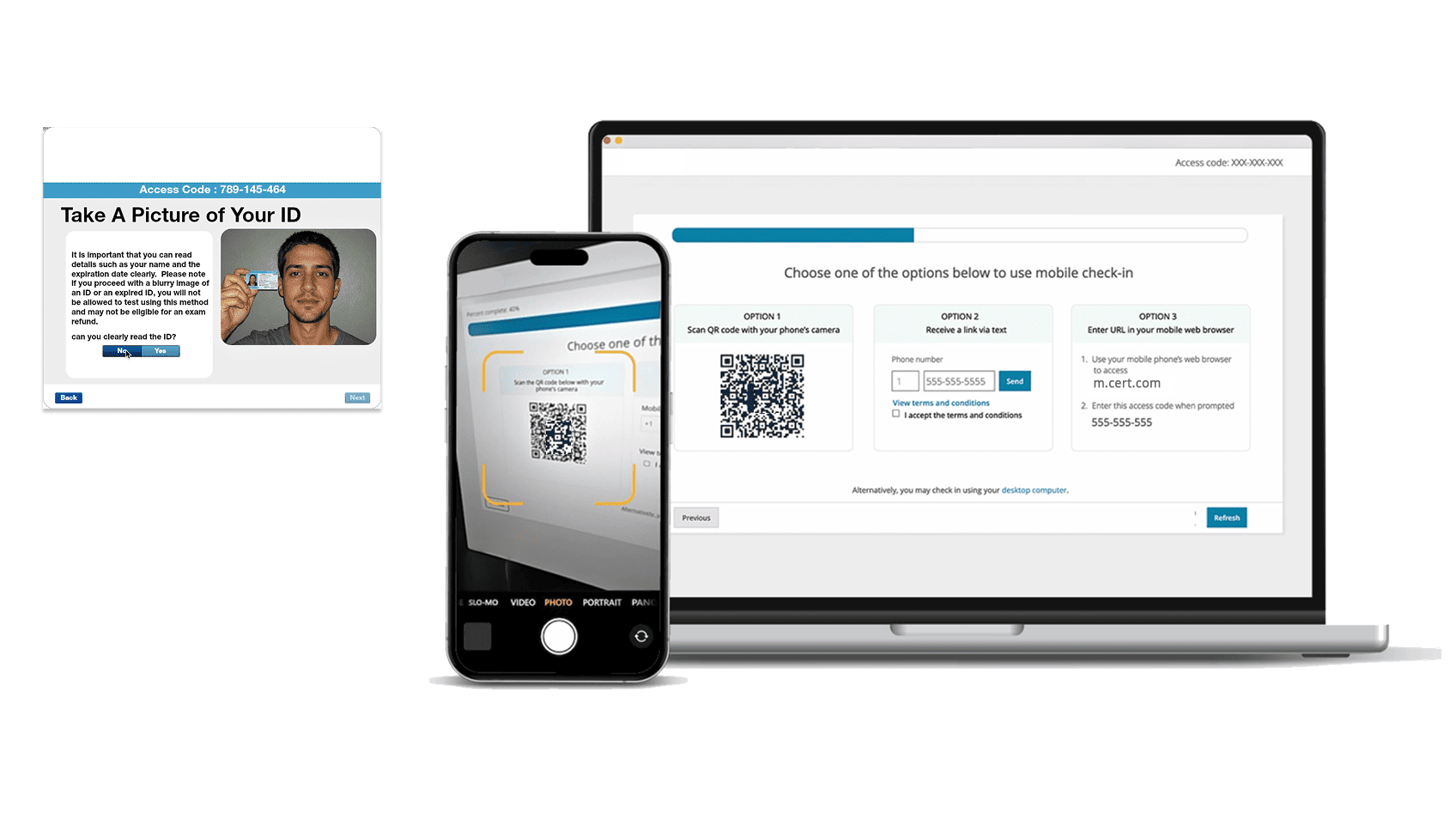
As Founding Product Designer, I led the 0→1 experience that became OnVUE and continued stewarding it as desktop, mobile web, native mobile, and human support became one synchronized service.

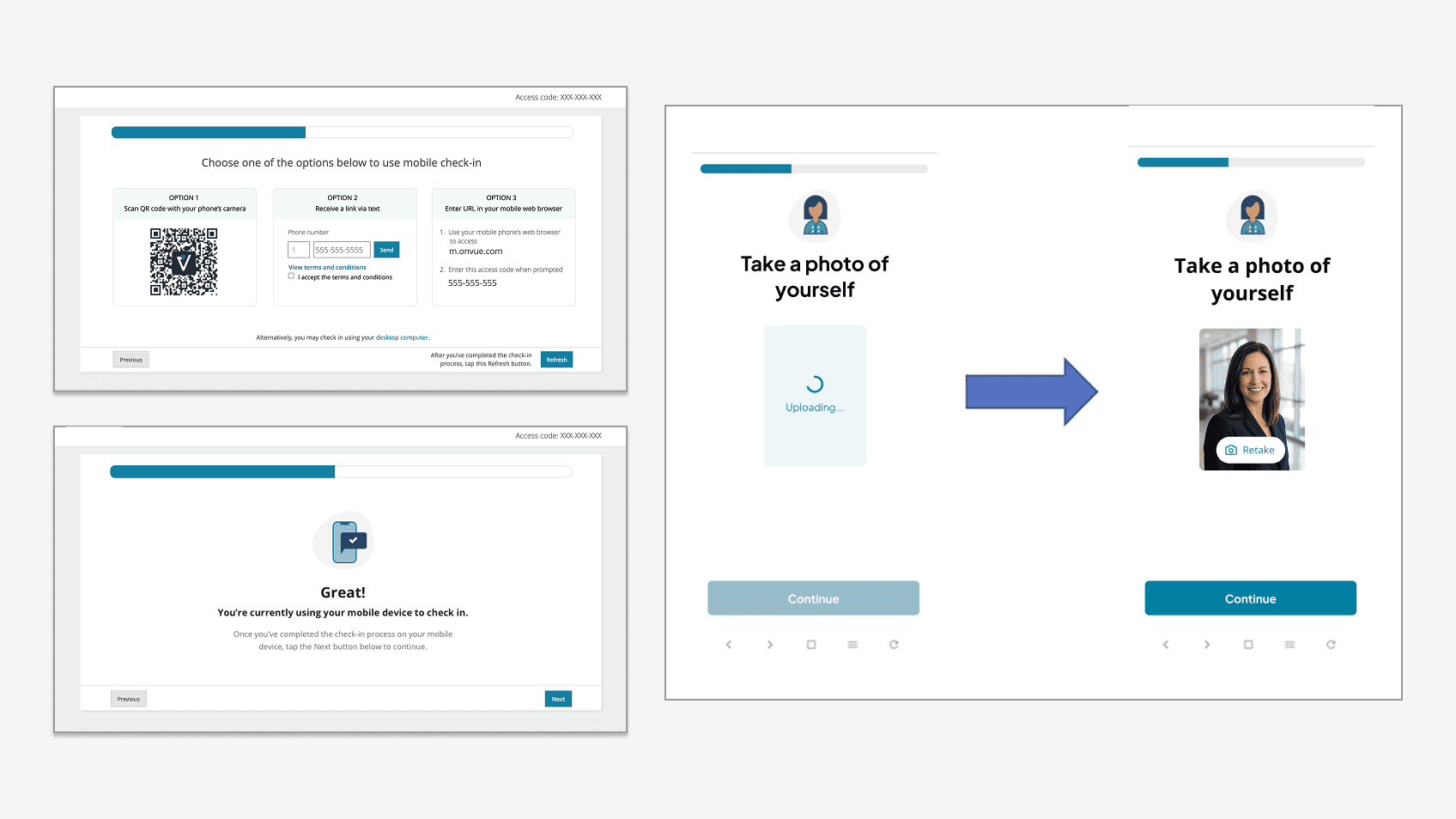
OnVUE cross-device check-in shown across desktop and mobile
02 / 06

Three decisions held the cross-device flow together.

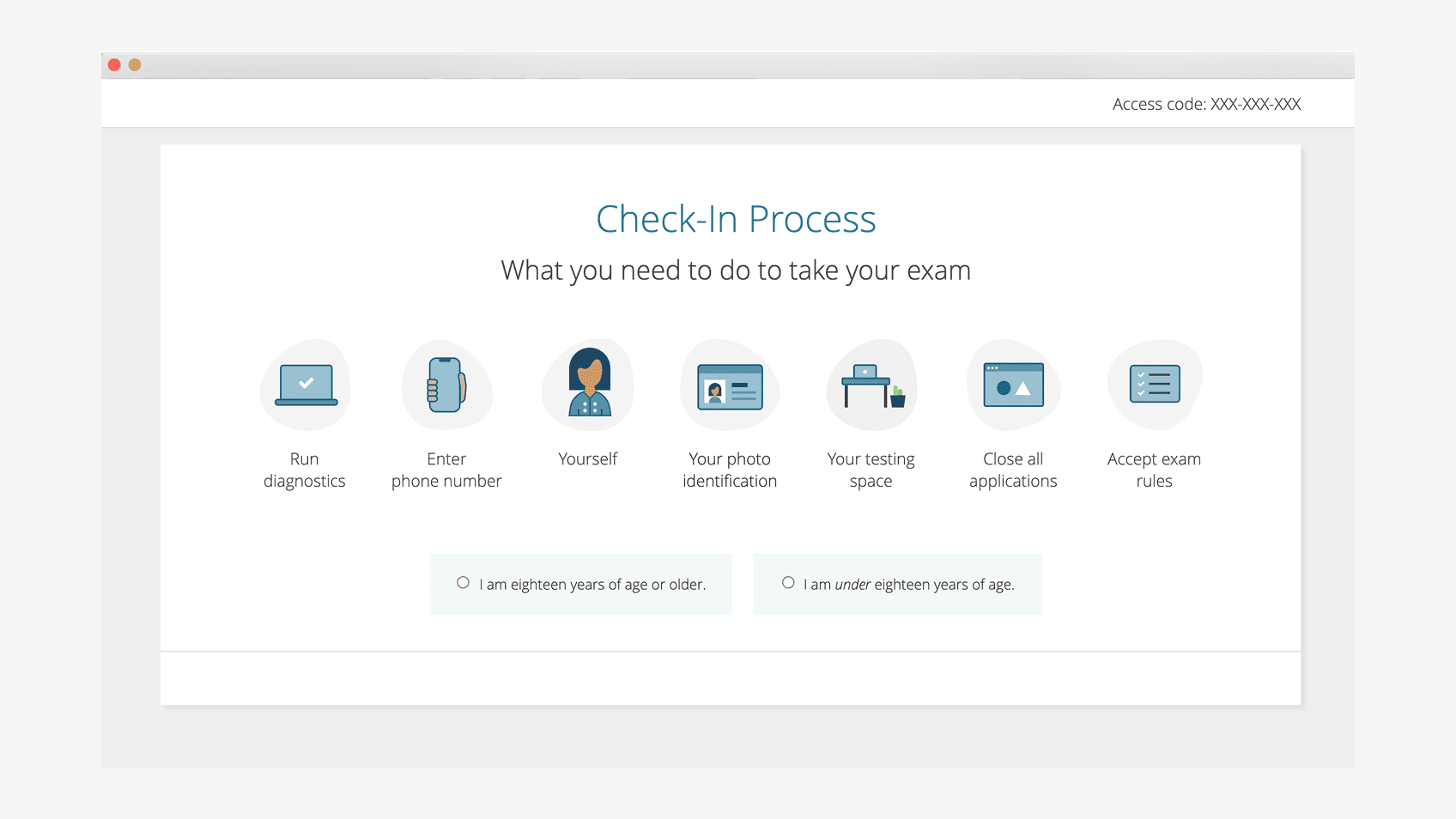
Coordinate system tests, identity, room capture, queueing, and recovery across desktop and mobile under exam-day pressure.

OnVUE check-in process overview

Test the environment before the candidate is committed.

System and connectivity checks expose what needs attention while there is still time to recover, reschedule, or choose another route.

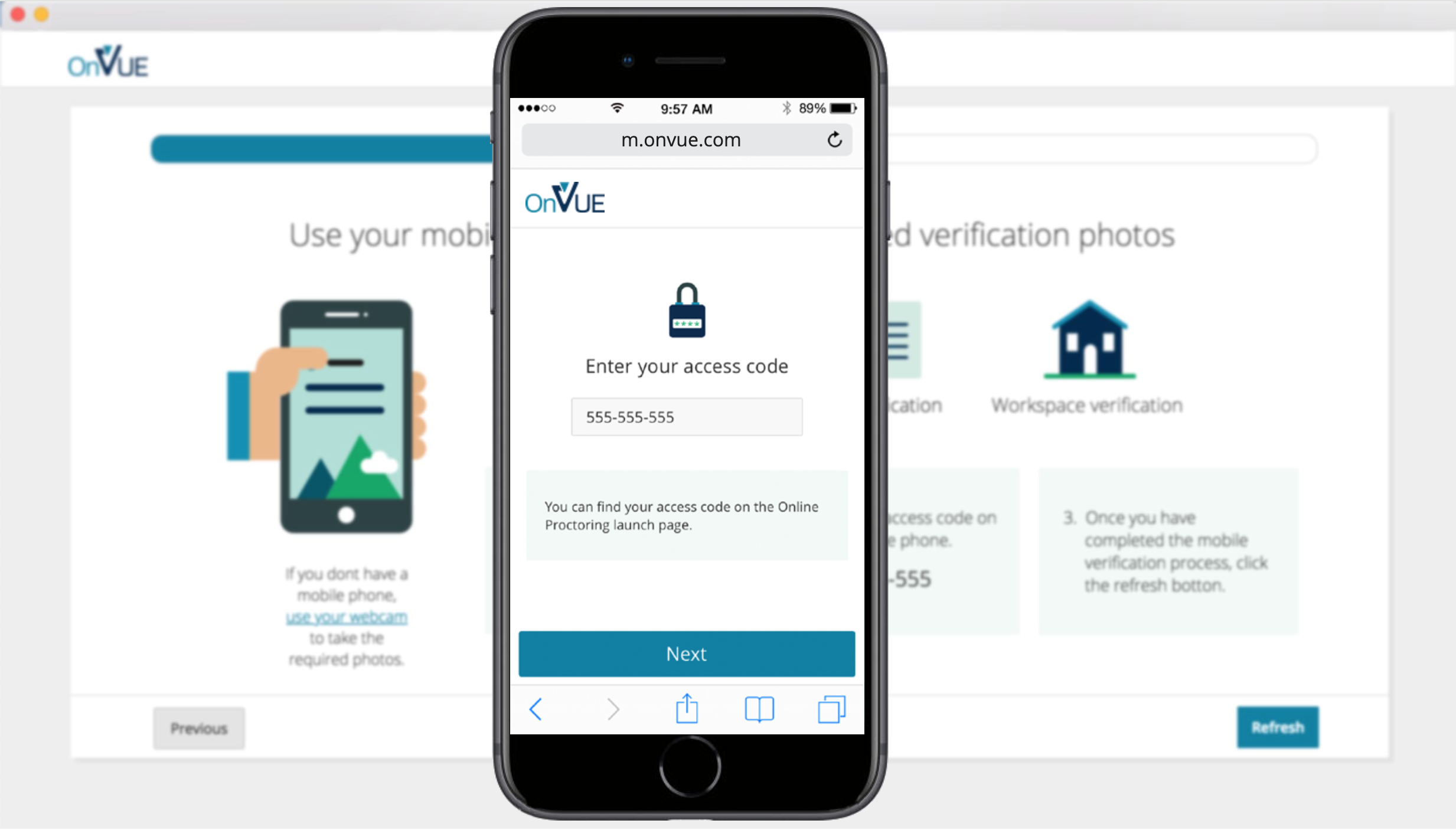
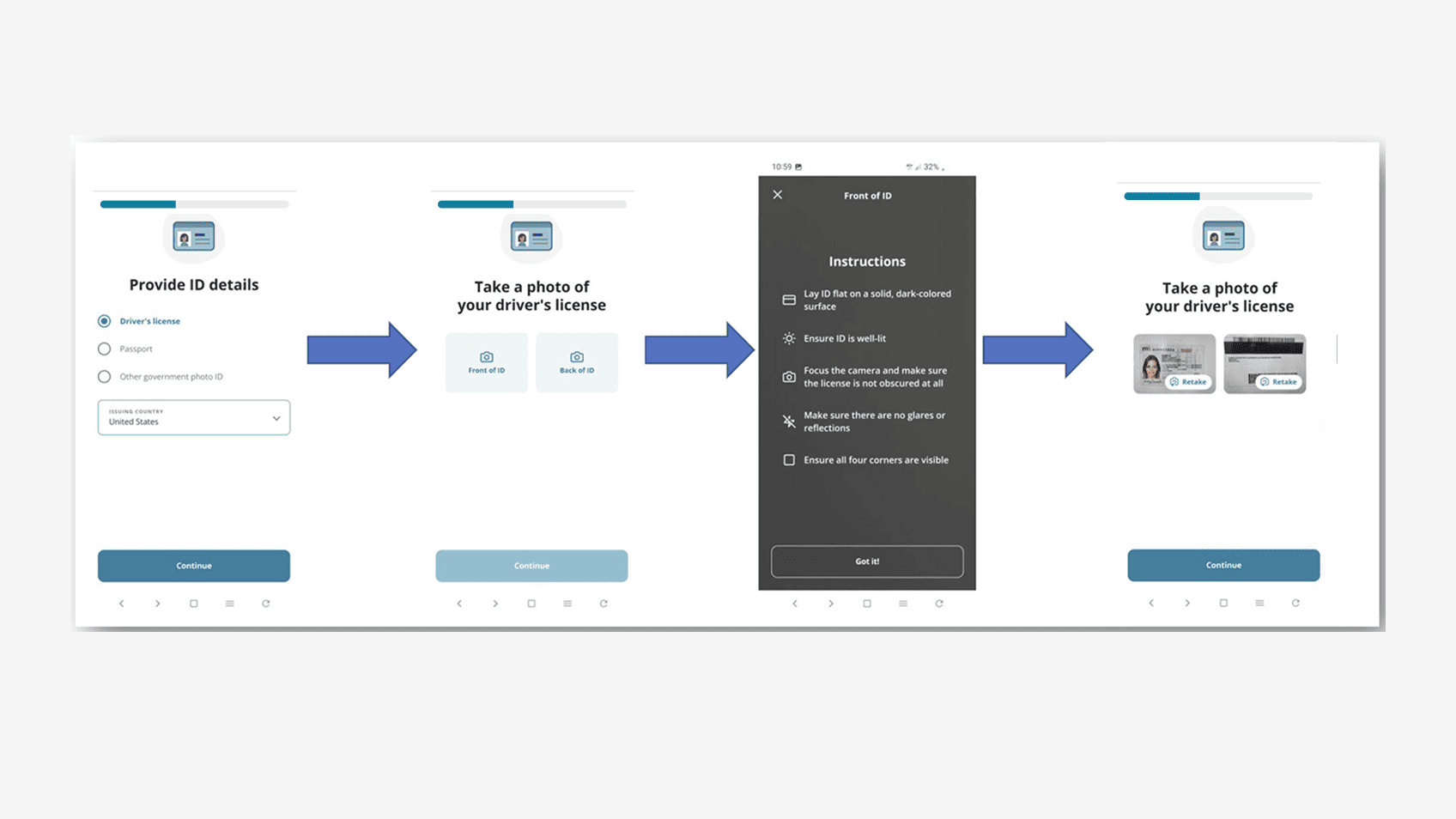
OnVUE cross-device identity capture process

Design the handoff as one product state.

QR, SMS, mobile web, and native capture share context.

OnVUE desktop and mobile identity capture sequence

Make recovery part of the primary journey.

Failed connectivity, incomplete capture, and accessibility needs lead to explicit choices instead of a dead end or a silent restart.

03 / 06

More of the cross-device check-in

Mobile identity and capture states that complete the desktop-to-phone journey.

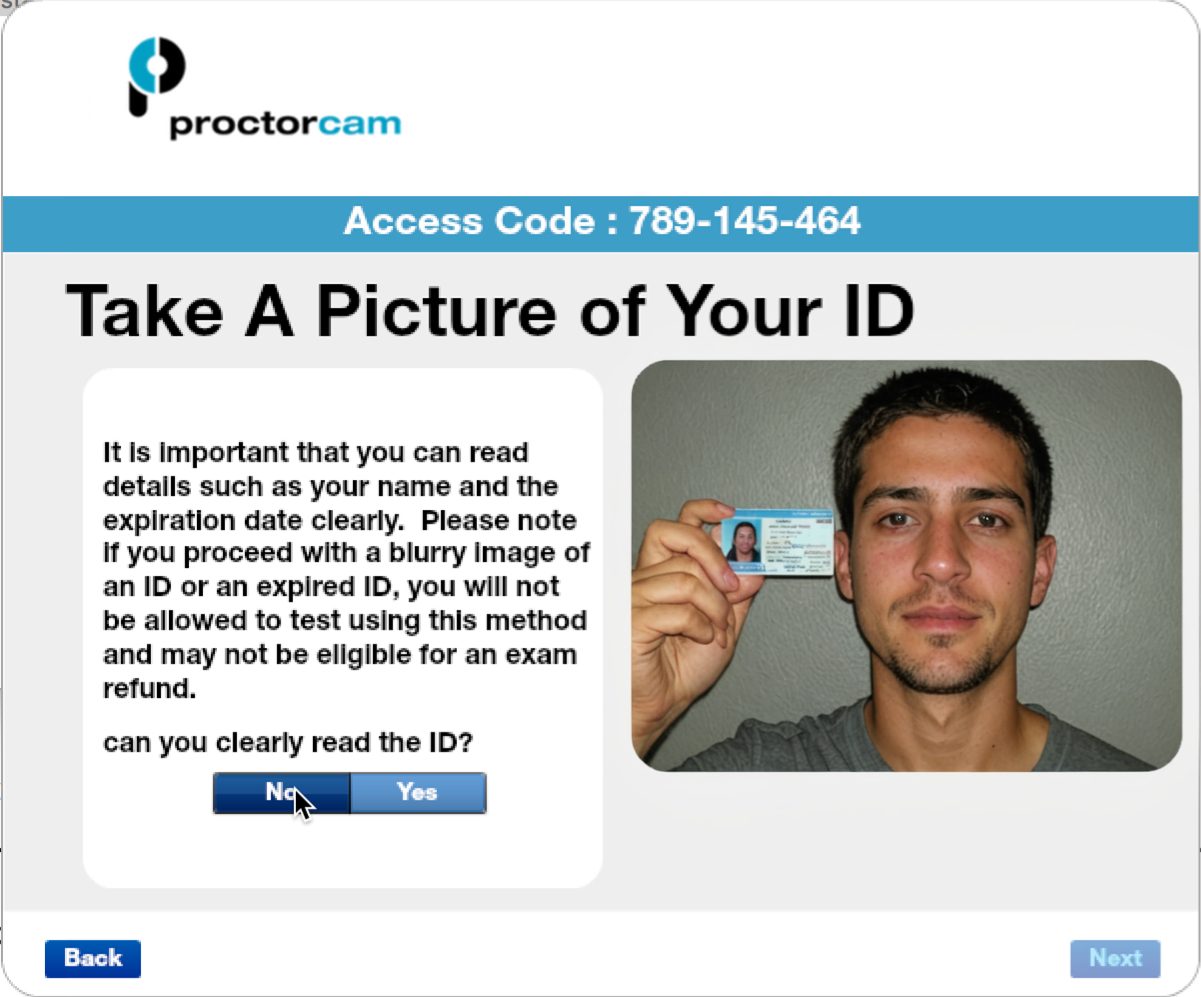
Legacy remote-proctoring identity capture
04 / 06

Stewardship turned a launch flow into a durable service.

OnVUE product context with the desktop workflow

The redesigned check-in contributed to approximately 25% fewer failures. The platform supported 300% growth and now serves 2.3 million exams annually.

05 / 06

Years of evolution make attribution important.

Tradeoff

Each new handoff adds failure risk.

Evidence boundary

The public case compresses years of platform evolution and cannot attribute every later feature to the founding design phase.

Next test

Keep reducing recovery time and measure where candidates still need a human to re-establish shared context.

OnVUE cross-device handoff
A shared state carries the candidate between desktop and mobile.
06 / 06

See the evidence behind the decisions.

Includes the role breakdown, evidence, edge cases, outcomes, and lessons.

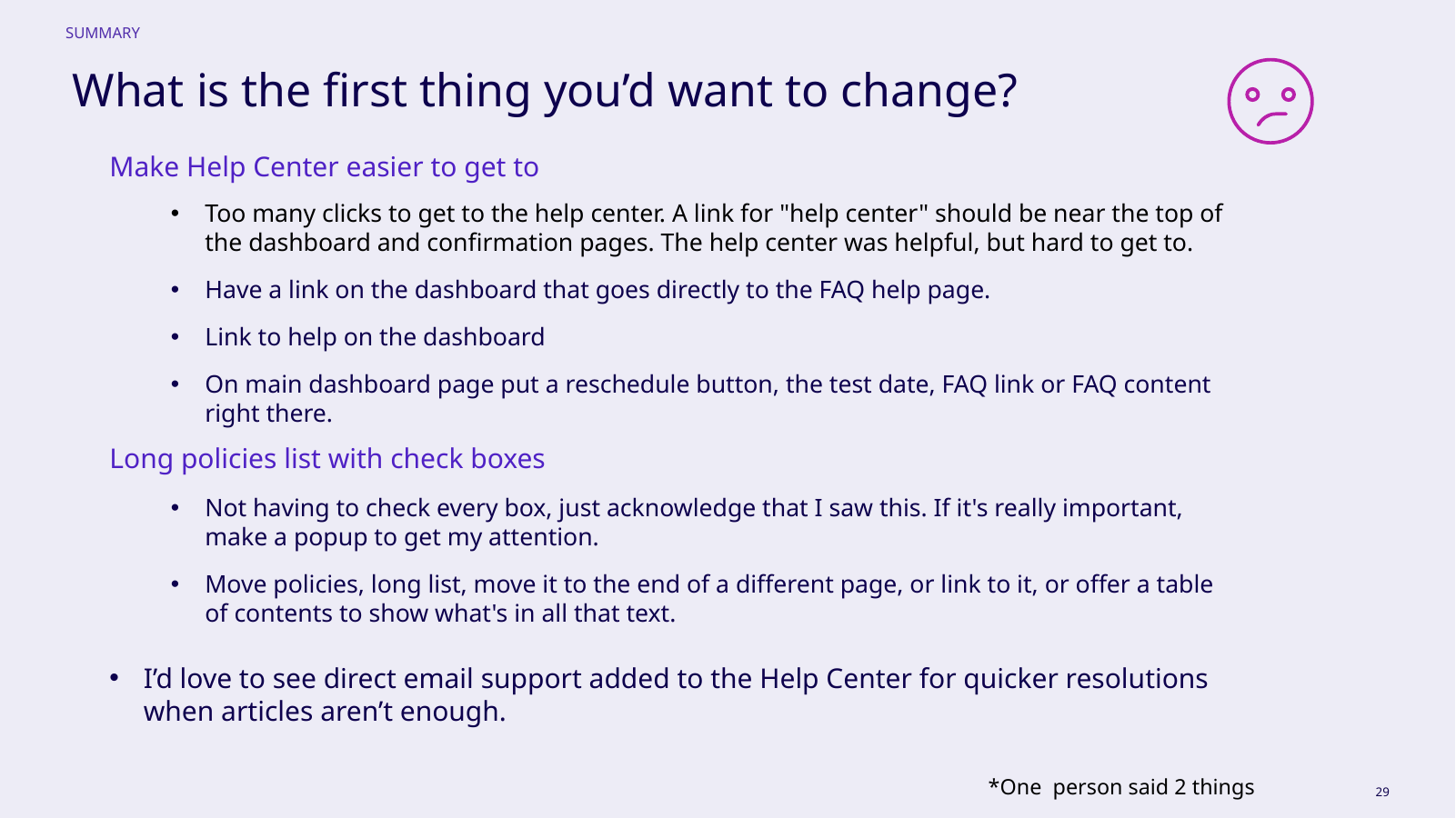
Candidate requested changes
Later candidate testing exposed friction that remained in the broader journey.

Go deeper

See the decisions behind the work.

The full case study contains additional project context, iterations, and evidence.

Full case study

Next case study

When the first attempt failed, recovery became the product.